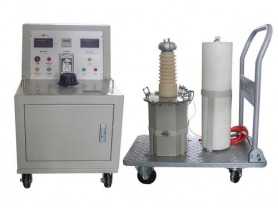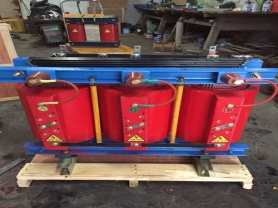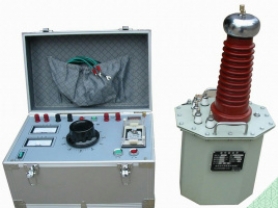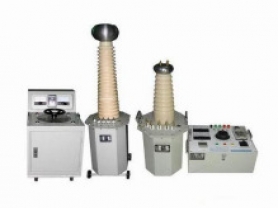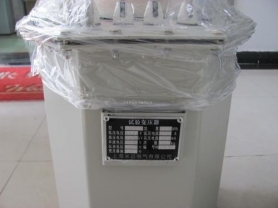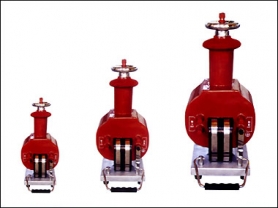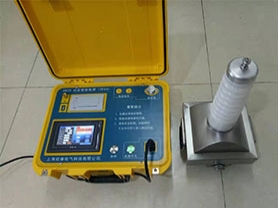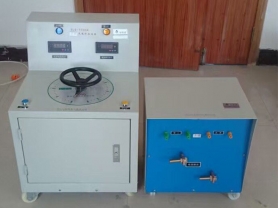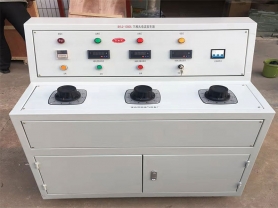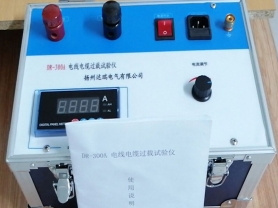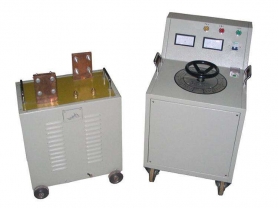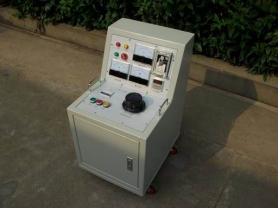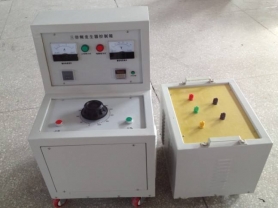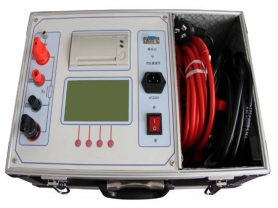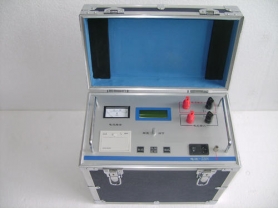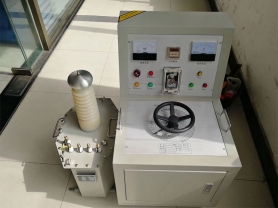
Power equipment: Including factory inspection and routine maintenance of high-voltage electrical equipment such as transformers, circuit breakers, and instrument transformers.
Cables and joints: Used to evaluate the insulation quality of cables and their accessories, especially commissioning tests for newly laid cables and preventive maintenance for old cables.
Motors and generators: Testing the insulation condition of key components such as stator windings and rotor windings.
Other electrical equipment: Insulation testing of low-voltage electrical equipment such as switchgear and distribution boxes.
High-precision measurement: Advanced electronic technology and algorithms ensure high accuracy of results. Wide range coverage: Adapts to resistance measurement from micro-ohms to milliohms, suitable for various conductors and components. Fast response: Quick test speed allows multiple consecutive measurements in a short time, improving efficiency.
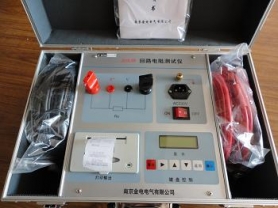
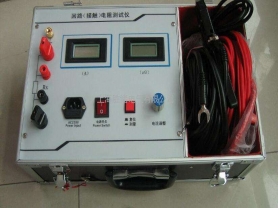
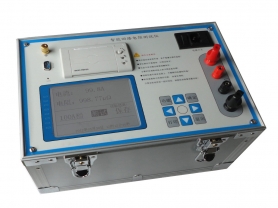
A DC resistance tester is an essential device for measuring the DC resistance of conductors such as wires, cables, transformer windings, and motor coils. It plays a crucial role in power system maintenance, industrial production, and laboratory research, helping engineers evaluate conductor quality and health to prevent potential faults. This article details the working principle, application fields, and importance of DC resistance testers.
With the rapid development of wireless communication technology, mobile communication users... When in output working state, the maximum current cannot be achieved, causing two amplifiers... Secondly, combined with one of the current research hotspots in microstrip circuits, the defect...
With the increasing complexity of power systems and higher maintenance requirements for power equipment, partial discharge detection technology has become an important means to ensure safe operation. Partial discharge not only degrades insulation performance but can also lead to serious safety accidents. Therefore, developing a broadband partial discharge inspection instrument capable of covering a wide ultrasonic frequency range is particularly important.
It needs to be calculated based on the no-load current and test voltage multiple of the test object.\nEmpirical formula:\nNote: The no-load current at 150Hz is more than 3 times that at 50Hz.\nPartial discharge (PD):\nIf partial discharge testing is also required, the device must have a low background noise design, and the power supply waveform distortion rate must be <1% (